


Our intestinal system is designed to work in a specific way consisting of strong energy-consuming phases and long anabolic repairing phases. The former may be initiated consciously, that is every time we eat something. The latter ones, though, are autonomously regulated, mainly by several hormones but also by the central nervous system itself. Normally, the digestion process produces inflammation, dietary debris, changes in intestinal properties and in the same time, food borne bacteria and toxins must be eliminated adding up to the inflammation and the immune activation. This condition should be restricted only for a specific time during the day. Our intestine must be given enough time to repair its tissue, to resolve the inflammation and prepare itself for the next digestion process. Migration Motor Complex (MMC), is the neurological process, responsible for small intestine cleaning. When it’s not left do its tasks, IBS is inevitable.
Colin was 24 years old post graduate student, very popular with vivid social life. Not a smoker and social alcohol drinker. Many nights out per week and as a consequence always his last was meal after midnight and sleep around 02:00 or 03:00 a.m. The only diagnoses he had was Hashimoto’s hypothyroidism allergies.
In the beginning it was just burping after meals. Then bloating appeared. Then short acute pain in the gut. He visited many gastroenterologists, he removed his gallbladder he was even prescribed antidepressants … nothing worked.
Colin insisted many times that he had been eating this way for all his life. Always breakfast right after he wakes up and last meal always after 10 pm. In fact he supported that it is odd he got these GI symptoms since he kept such a “good” meal schedule
The thyroid gland is crucial in regulating the gut-brain axis. This is also true for MMC. Any deviation from normal thyroid function has a huge impact on both neural control of gut movements and the hormonal regulation of GI secretion
Although, the classic view of allergies focuses on antibody production, almost always there is a surplus of histamine in allergy-prone patients. That’s why antihistamines are working most of the times. But histamine has another role, partly inhibiting the neurogastromotility, i.e. the vagal regulation of MMC
Gallbladder removal may not have been a root cause, since it was performed later, but for sure had worsen both the intensity and the course of Colin’s symptoms. Besides, we know now, from several human studies, that removal of the gallbladder slows down the Migrating Motor Complex. In addition, it is statistically linked to higher incidence of Small Intestinal Bacterial Overgrowth
While disorganized MMC was just a guess at that point, there were a lot of symptoms that pointed towards this direction. The timing of burping, gas, bloating in accordance with his eating patterns (even then, 5 meals every 3 hours) seemed to form a very plausible diagnosis
While the results did not indicated another antibiotic round, SIBO breath test was way too positive. In this regard, a milder antimicrobial treatment could not be avoided. In fact, methane levels at 30 and 60 minutes post provocation were off the limits. Upper endoscopy also revealed antritis, a very common finding in patients who have removed their gallbladder, activated eosinophils in his intestinal mucosa and an additional wealth of diagnostically useful findings.

Fragments and residues of indigested food particles produce mixed movements of the gut giving rise to alternating defecation pattern

Both these substances mediate allergic reactions in the intestine and other organs
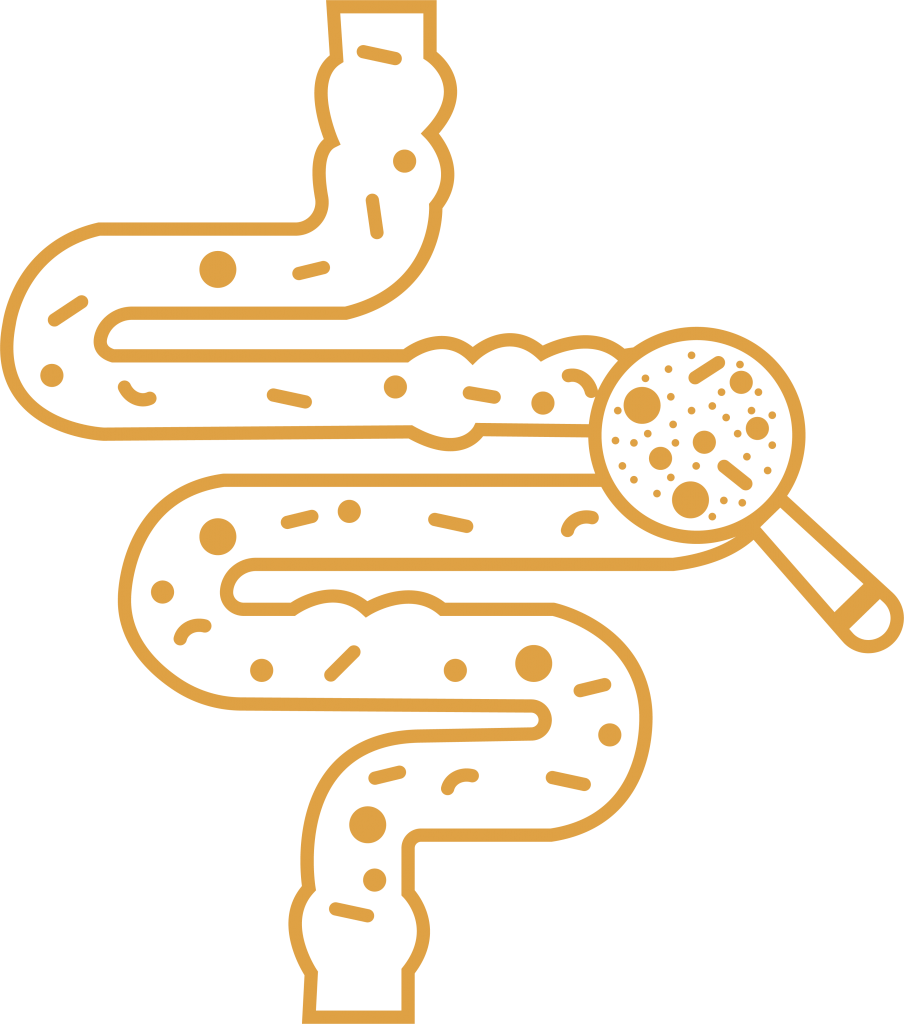
Bacterial overgrowth of the small intestine interferes with proper absorption of nutrients and may produce gas

Probiotic sterility leads to abnormal fermentation of starch, sugars and fiber. Bloating and gas are main symptoms
In cases like this, the treatment plan should cover the entire gastrointestinal system. Gastric phase, microbial overgrowth in the small intestine and large intestinal microbiome. Although it is a very difficult and possibly time-consuming process, in this case Colin was my ally. He grasped the gravity of his situation for a young man of 26 years. The treatment provided simultaneous antimicrobial activity for both small and large intestine. The exact treatment differs from person to person as it is dependant on the time since gallabladder removal, the extent of SIBO and the age of the patient. The golden rule is “the earlier the intervention, the better the results”.

… our appointment was done by phone because he was out of the city. He told me that although he had seen a significant improvement in his stool pattern -one or two times per day, nearly formed- he had also noticed an increase in his allergic symptoms. I explained to him that this was normal and something desirable. As the histamine producing bacteria die off they release histamine in large quantities. I also explained that this exacerbation of his allergies would be greatly reduced when he completed both antimicrobial treatments. He had managed to eat mostly before 9:00 pm and to take his breakfast after 10 am. Although this was a great accomplishment I urged him to take his dinner even earlier than that …
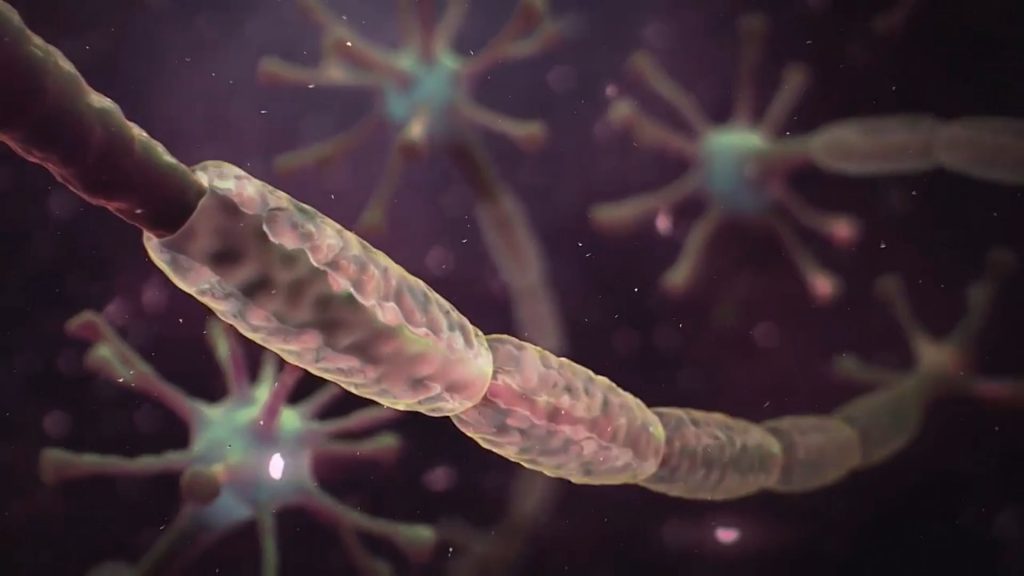
MMC is the link between the brainstem and the gut. It is like the neurological control panel of the gastric contraction between meals (interdigestive periods) and during fasting. As they are propagated by the vagus nerve itself, MMC contractions must be an ancient mechanism ensuring efficient cleansing after digestion and this is why it is often called the “bowel’s housekeeper”. While we sleep, MMC is naturally downregulated which means that fasting when we are awake is very important. No matter what the exact form of an IBS patient’s symptoms, fasting during treatment always brings better results.

| Cookie | Duration | Description |
|---|---|---|
| cookielawinfo-checkbox-analytics | 11 months | This cookie is set by GDPR Cookie Consent plugin. The cookie is used to store the user consent for the cookies in the category "Analytics". |
| cookielawinfo-checkbox-functional | 11 months | The cookie is set by GDPR cookie consent to record the user consent for the cookies in the category "Functional". |
| cookielawinfo-checkbox-necessary | 11 months | This cookie is set by GDPR Cookie Consent plugin. The cookies is used to store the user consent for the cookies in the category "Necessary". |
| cookielawinfo-checkbox-others | 11 months | This cookie is set by GDPR Cookie Consent plugin. The cookie is used to store the user consent for the cookies in the category "Other. |
| cookielawinfo-checkbox-performance | 11 months | This cookie is set by GDPR Cookie Consent plugin. The cookie is used to store the user consent for the cookies in the category "Performance". |
| viewed_cookie_policy | 11 months | The cookie is set by the GDPR Cookie Consent plugin and is used to store whether or not user has consented to the use of cookies. It does not store any personal data. |