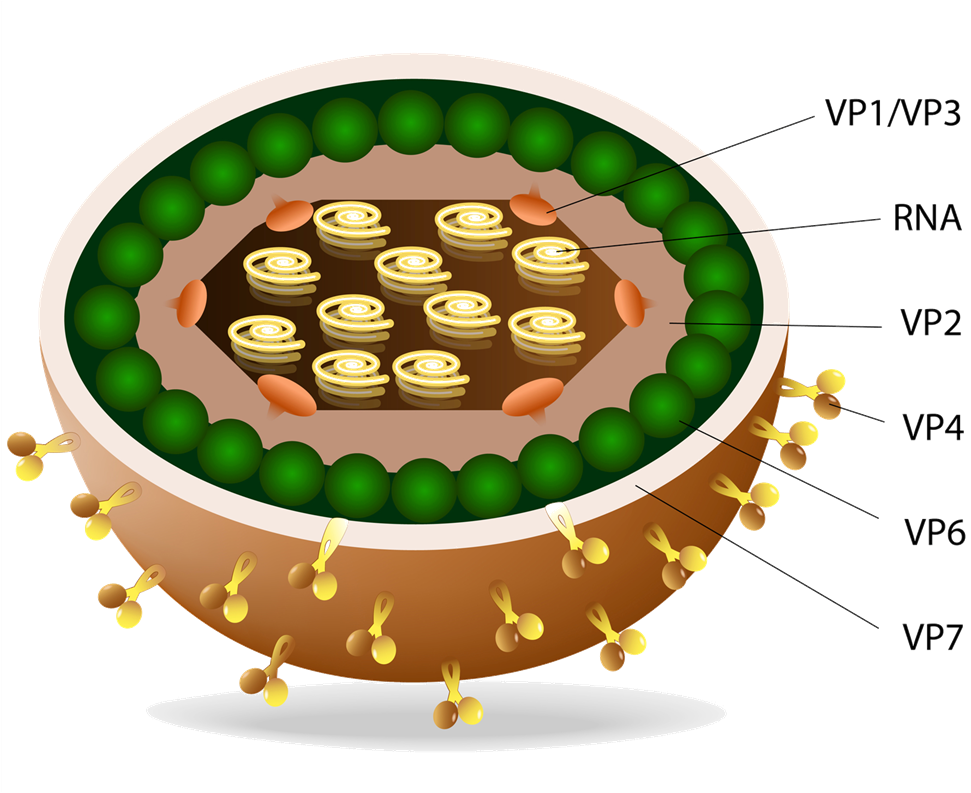



Secretory IgA (sIgA) deficiency is a commonly overlooked disorder which predisposes to a myriad of symptoms. In fact sIgA is the gatekeeper of our gut, preventing pathogens and thousands of different toxins from entering into our system and disrupting immune balance. Its role is to entrap foreign substances and microorganisms inside the mucosal layer and to facilitate their clearance. Besides this central role, sIgA is very important for other reasons such as modulating our microflora in a direct way, regulating the allergenic potential of a molecule and presenting antigens to the immune cells and thereby establishing immunity. Since sIgA is the first and main line of defense of our intestinal system, it is easily understood why sIgA deficiency is an important causative factor of a subset of IBS entities.
Antibiotic abuse |
Eczema |
Allergies |
Chronic infections |
Psoriasis |
Rheumatoid arthritis |
Lupus |
Mary is a 39 year old nurse, a mother of two and she has worked in hospitals for the past 18 years. For as long as she can remember Mary has been sick, either with just a low grade fever or suffering from upper respiratory infections or urinary tract complaints or gastroenteritis. She blamed the hospital environment she was working in despite the fact that she was having regular vaccinations and none of her colleagues got sick so often. She had consumed a large number of antibiotics as her cultures always came out positive for E. coli, Klebsiella pneumoniae and other bacteria. After giving birth to her second daughter things had taken a downturn, and in the last 16 months she had battled with gastrointestinal distress on a daily basis.
The diagnostic schedule was a large one because of the chronic and infectious character that Mary’s symptomatology possessed. First of all, I wanted to be sure that sIgA was indeed the culprit and to see if there was a systemic IgA deficiency in her serum. Other antibodies were also tested (IgG, IgM, IgE) although past exams showed only a minor increase in her IgM titer (chronic infection). A full 16sRNA stool test was ordered as the high number of antibiotic courses and the exposure to hospital environment on a daily basis had surely altered her microflora. In addition, a Th1/Th2 balance blood test was ordered along with several immune and biochemical biomarkers in stool.
Since fever was never above 38o C, the problem can’t be about the reaction capabilities of the immune system. Perhaps it is the first line of defense which cannot block out newly contacted pathogens, efficiently
The removal of tonsils has been implicated in many studies (human ones) in reducing sIgA production and in predisposing to frequent infections (mostly in mucosa coated organs)
While stress may exacerbate almost every human symptom, in this case there is also a direct biochemical link between stress and low sIgA. Cortisol, being the principle stress hormone, downregulates sIgA production worsening even more infectious predisposition. This is mostly true during the first 30 min of a stressful event
sIgA deficiency is an entity that cannot be “seen” but can be measured. It is also predictive of the affected organ (bronchoalveolar lavage for lungs, saliva for mouth, stool for gut)
After so many cases I’ve seen, Mary’s sIgA deficiency was not a surprise. sIgA levels were close to zero while her blood IgA levels were within the normal range. Other antibodies were also normal. She was slightly Th1 dominant and both C3 and C4 complement factors were marginally elevated. The 16sRNA stool test was a mess. Too many gram-negative and several gram-positive bacteria were spread throughout her gut. This massive dysbiosis is a consequence of both the prior heavy antibiotic use and the lack of mucosal immunity. In addition, the biochemical check up revealed extremely low levels of vitamin D, vitamin B12, folic acid, iron and ferritin. Finally, her salivary sIgA levels were detectable but fairly low.

Undetected levels of sIgA mean that all opportunistic pathogens produce constant infectious inflammation explaining thereby Mary’s core symptoms

This level of dysbacteriosis is deletetious to the mucosal immunity og the gut. Proper restoration is a prerequisite for sIgA production

Constantly elevated complement factors mean that Mary’s immune reaction was always turned on, explaining the fatigue she encountered
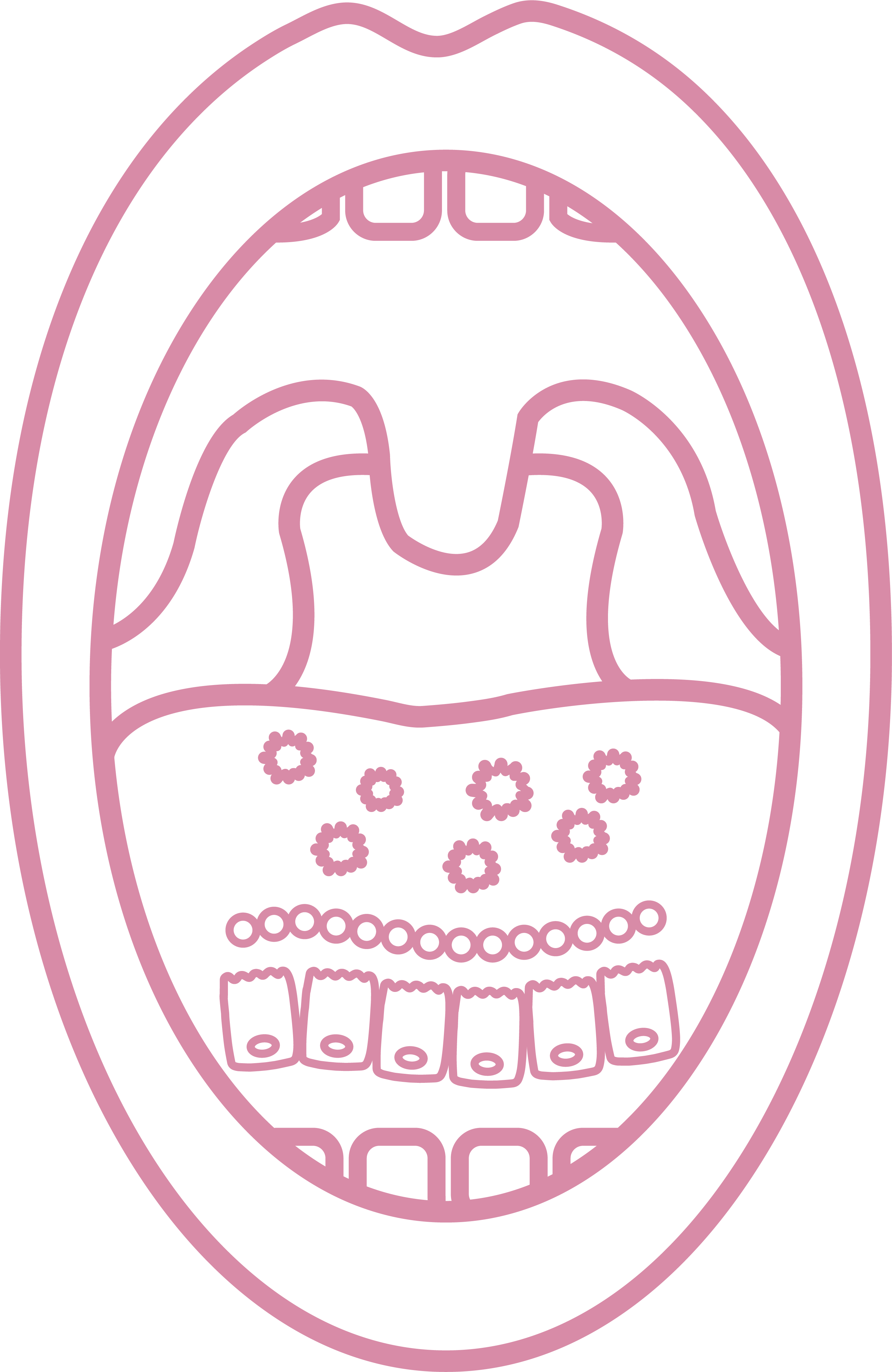
Salivary IgA is crucial in preventing foodborne and airborne infections. Proper oral immunity is considered very important
Paradoxically, the only way to start a successful treatment in this kind of case is another antibiotic course. The total bacterial load must be lowered before new probiotic inoculation and actions to increase sIgA content and production can be implemented.

On day 33 she visited my office again. She seemed very optimistic because her symptoms had not recurred but she did notice that bloating and multiple defecations appeared after night shifts. In general, bloating and mucus in her stools were minimized and so was the respiratory distress. Our next appointment was scheduled for after 45 days.
sIgA deficiency is a condition with systemic repercussions and usually people suffering from it follow lifestyles that inhibit proper healing. In addition, most patients lacking sIgA have several predisposing factors that cannot be undone, like tonsillectomy or appendectomy, were delivered by C-section or were breastfed for less than 2 months. Taking into consideration these factors, a patient with sIgA deficiency must make a very big effort to overcome the obstacles and repair their mucosal linings. sIgA levels almost never reach the levels of a none predisposed person but sufficient levels may sustain a symptom-free status.
As with every case, lifestyle changes are of crucial importance and they have to be implemented for life. Before taking on such a patient, the practitioner must carefully inform them that there will be no permanent healing but that diet, fasting and a good night’s sleep are not optional, and are part of the total therapeutic regimen. In fact, supplements and drugs will only work if lifestyle changes are implemented simultaneously.

| Cookie | Duration | Description |
|---|---|---|
| cookielawinfo-checkbox-analytics | 11 months | This cookie is set by GDPR Cookie Consent plugin. The cookie is used to store the user consent for the cookies in the category "Analytics". |
| cookielawinfo-checkbox-functional | 11 months | The cookie is set by GDPR cookie consent to record the user consent for the cookies in the category "Functional". |
| cookielawinfo-checkbox-necessary | 11 months | This cookie is set by GDPR Cookie Consent plugin. The cookies is used to store the user consent for the cookies in the category "Necessary". |
| cookielawinfo-checkbox-others | 11 months | This cookie is set by GDPR Cookie Consent plugin. The cookie is used to store the user consent for the cookies in the category "Other. |
| cookielawinfo-checkbox-performance | 11 months | This cookie is set by GDPR Cookie Consent plugin. The cookie is used to store the user consent for the cookies in the category "Performance". |
| viewed_cookie_policy | 11 months | The cookie is set by the GDPR Cookie Consent plugin and is used to store whether or not user has consented to the use of cookies. It does not store any personal data. |