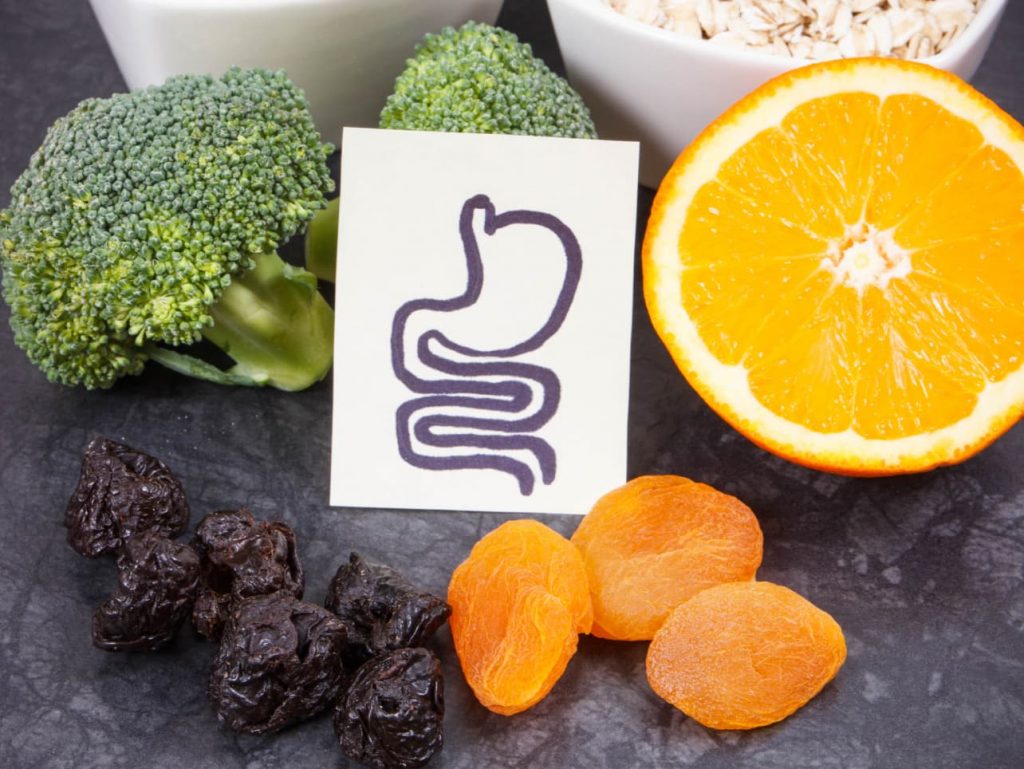
The chaotic nature of the gastrointestinal system makes it a perfect candidate for Biochemistry Data Mining application. Every proximal or distal system may ultimately produce the same gut symptoms.
Commonly overlooked gut pathology parameters
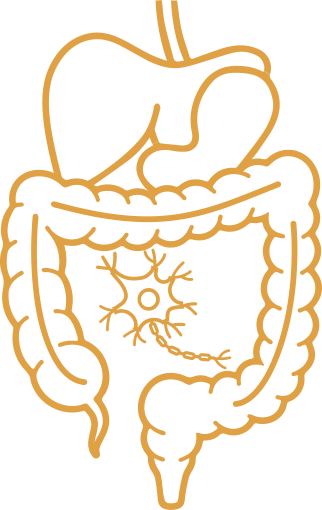
Neurogastroenterology
The intestinal tube is the largest surface to be controlled by neurons. In fact, vagus nerve, the largest in our body, controls much of the function of the stomach, the small and the large intestine, and is critical in syndromes like IBS
bile biochemistry
Bile is a highly essential substance, needed for the emulsification and absorption of lipids. However, it acts also as a hormone, neurotransmitter and cancer mediator.
postbiotic metabolism
Postbiotics are all the necessary products derived from bacterial or fungal metabolism that humans cannot synthesize. For example, butyrate, which I believe serves superior functions from all the other vitamins, is a product of fiber fermentation
immunogastroenterology
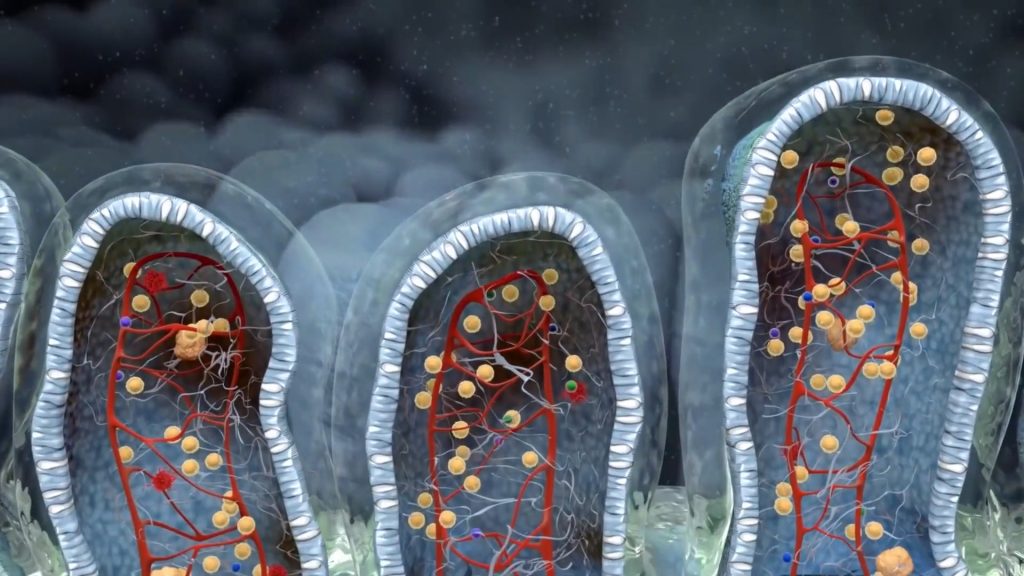
Mucosal immunity is the interface between what happens outside our body and inside it. It is the last frontier and when compromised, our body is subject to every external threat. Secretory immunoglobulin A, bacterial derived defensins, mucins, adhesion proteins and other molecules are implicated in gastrointestinal pathology
hormonal imbalances
Visceral hypersensitivity, estrogen and progesterone control, thyroid regulation and in fact almost all hormones in our body have the potential to alter bowel function leading to symptoms like constipation, residual feeling, urgency etc
microbiome
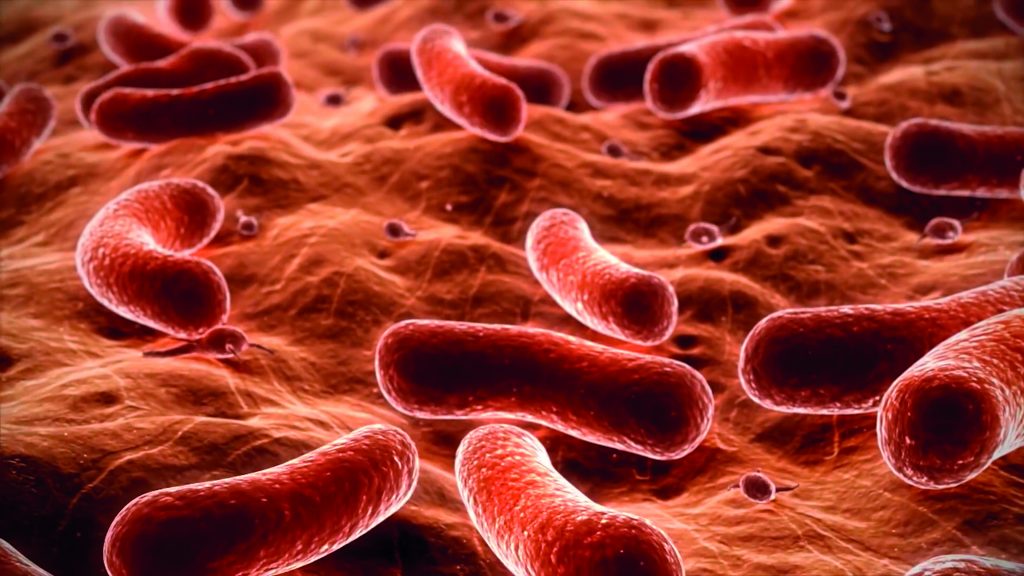
It is now accepted to be an endocrine organ. It possesses 10 times more genes than we do and depending on the circumstances they became either friends, or foes
Innate, adaptive passive and humoral…. All kinds of molecules and cells interact to form the most complex system in nature. Even two identical immune responses may give different disease phenotypes
Pediatrics
Infants, toddlers and teenagers have distinct metabolic features making their biochemistry unique in every way. Constant hormone fluctuations and evolving developmental stages should always be taken into account
Rare
Nausea, fatigue, migrating pain, symptoms that fluctuate according to the time of the day. All sorts of peculiar symptoms originate from a disorganized biochemical system
Neurodevelopment
From conception until puberty there are constant dynamic interactions happening between our central nervous system and the environment, building and remodeling our perception of the world
We use cookies on our website to give you the most relevant experience by remembering your preferences and repeat visits. By clicking “Accept”, you consent to the use of all the cookies. Accept
Manage consent
Privacy Overview
This website uses cookies to improve your experience while you navigate through the website. Out of these, the cookies that are categorized as necessary are stored on your browser as they are essential for the working of basic functionalities of the website. We also use third-party cookies that help us analyze and understand how you use this website. These cookies will be stored in your browser only with your consent. You also have the option to opt-out of these cookies. But opting out of some of these cookies may affect your browsing experience.
Necessary cookies are absolutely essential for the website to function properly. These cookies ensure basic functionalities and security features of the website, anonymously.
Cookie
Duration
Description
cookielawinfo-checkbox-analytics
11 months
This cookie is set by GDPR Cookie Consent plugin. The cookie is used to store the user consent for the cookies in the category "Analytics".
cookielawinfo-checkbox-functional
11 months
The cookie is set by GDPR cookie consent to record the user consent for the cookies in the category "Functional".
cookielawinfo-checkbox-necessary
11 months
This cookie is set by GDPR Cookie Consent plugin. The cookies is used to store the user consent for the cookies in the category "Necessary".
cookielawinfo-checkbox-others
11 months
This cookie is set by GDPR Cookie Consent plugin. The cookie is used to store the user consent for the cookies in the category "Other.
cookielawinfo-checkbox-performance
11 months
This cookie is set by GDPR Cookie Consent plugin. The cookie is used to store the user consent for the cookies in the category "Performance".
viewed_cookie_policy
11 months
The cookie is set by the GDPR Cookie Consent plugin and is used to store whether or not user has consented to the use of cookies. It does not store any personal data.
Functional cookies help to perform certain functionalities like sharing the content of the website on social media platforms, collect feedbacks, and other third-party features.
Performance cookies are used to understand and analyze the key performance indexes of the website which helps in delivering a better user experience for the visitors.
Analytical cookies are used to understand how visitors interact with the website. These cookies help provide information on metrics the number of visitors, bounce rate, traffic source, etc.
Advertisement cookies are used to provide visitors with relevant ads and marketing campaigns. These cookies track visitors across websites and collect information to provide customized ads.