


Gastric acid is a major component that defines the fine line between successful digestion and malabsortpion. Besides, our gut lumen is a predominantly acidic environment and as such it should be treated. Any interference (drug, hormonal imbalance or environmental input) disrupts the timed and adequate excretion of hydrochloric acid leading to malabsorption and gradual alteration of intestinal physiology. Most common symptoms provoked by chronic PPI use is small intestinal bacterial overgrowth, flatulence, altered stool habits and gas. Nevertheless, there are more serious side effects like gastric atrophy (and gastric cancer) and dementia, that have recently attributed to the prolonged gastric acid depression.
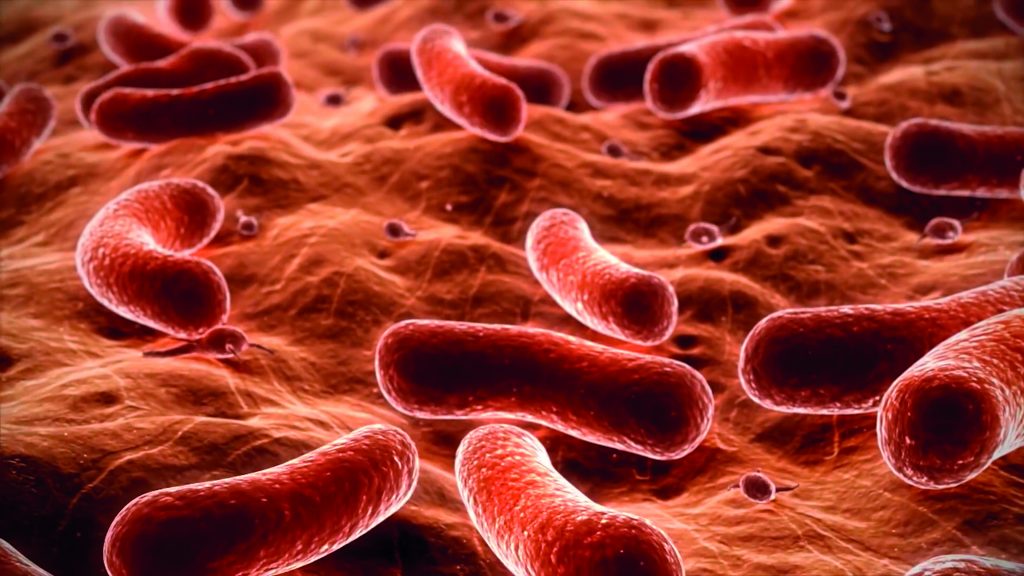
Unfortunately, the number of patients that stay on a PPI treatment for more than 24 weeks is steadily rising, and this is mainly attributed to the acute and efficient symptomatic relief it offers. Usually the physicians themselves suggest that the patient stays on the treatment but there are cases where the patients continue the treatment despite their physicians advising them the opposite. Additionally, most patients continued the treatment even after they were diagnosed with B12 deficiency. Fusobacterium, Porphyromonas, Tannerella and other bacteria take advantage of the friendlier gastric environment and may enter into the gut and the circulation, predisposing for several other disorders, like cardiovascular, metabolic, autoimmune diseases and even cancer.
George was a typical case of unnecessary chronic PPI use. His symptoms started very mild. He was prescribed omeprazole for just a 2-day incident of gastric reflux. The relief was immediate and with the consent of his doctor, George was still on PPI’s 6 years later!!
His lifestyle pattern set the stage for his stomach symptoms. Many coffees, very late dinners, no salads, symptoms that kept changing and worsening. Episodic, diarrhea, inexplained fatigue… Several years later, he was still on the stomach treatment but his life was a mess. He had already consulted several specialties and performed tests like gastroscopy and colonoscopy without serious findings, except a non-specific gastritis and redness throughout his colon.
Knowing the detrimental effects PPI’s confer to GI system and the hormonal changes that take place following their chronic administration (gastrinemia etc.) I asked George to perform several stool and blood tests. I wanted to rule out some of the most severe side effects of chronic acid suppression, like hypochlorhydria, exocrine pancreatic insufficiency, ADMA (early hypertension indicator). In addition, I wanted to see the extent of microflora distortion and the degree of SIBO in order to plan the appropriate treatment.
The quality and the quantity of indisgested particles that reach the colon are the determining factors of fermentation rate (and gas production)
Chronic lowering of acid production makes the stomach less capable of digestion. And while acid-induced pain is limited, dyspepsia is heightened.
The trapped air within the colon along with the loss of defecation timing leads to the constant feeling of colonic content and bowel movement
Besides B12 deficiency, which is the commonest culprit of chronic acid suppression, many more vitamins and nutrients are depletes through indirect consequences of hypochlorhydria
In cases like this, some tests came out positive every time. Small intestinal microbiome may be only a small portion of the total bacterial load of the GI system, but may take advantage by the constant low gastric acid (hypochlorrhydira) and expand manyfold. Many more results should be co-assessed before treatment plan is proposed.

Fragments and residues of indigested food particles produce mixed movements of the gut giving rise to alternating defecation pattern

Dysregulated nitric oxide metabolism leads to fluctuation of blood pressure. Elevated ADMA is detected in chronic PPI users
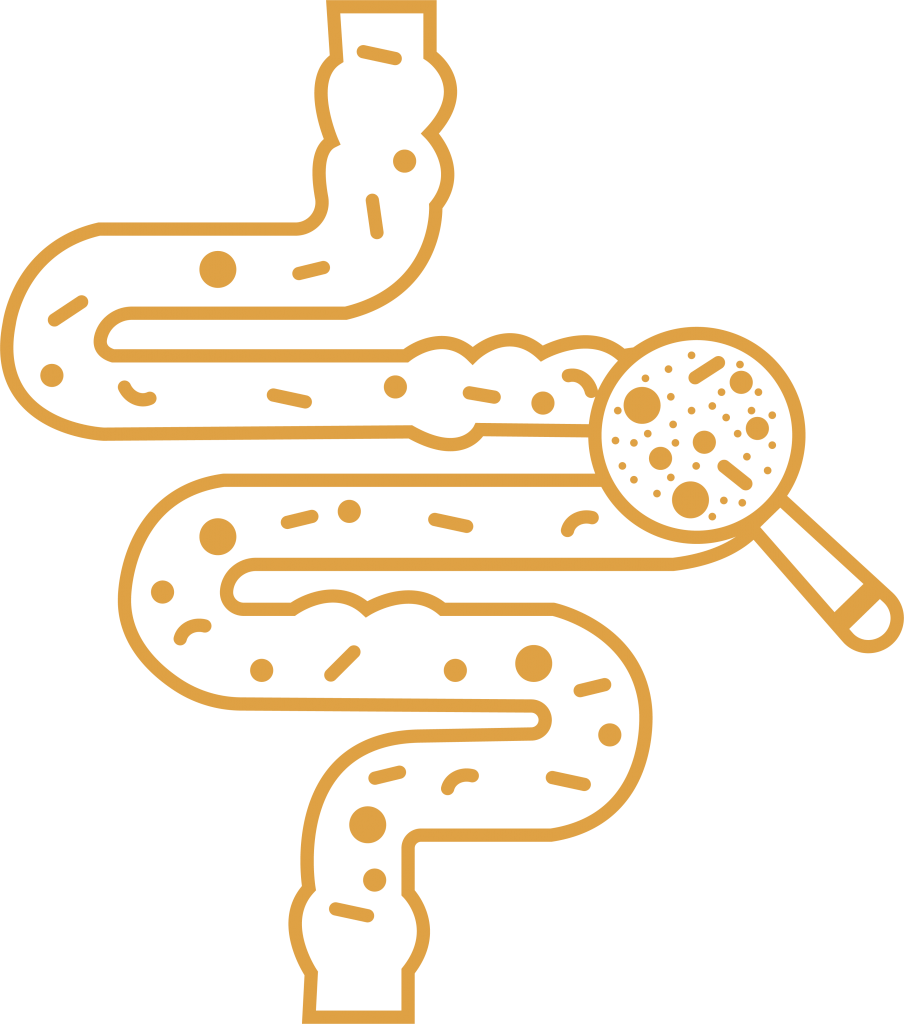
Bacterial overgrowth of the small intestine interferes with proper absorption of nutrients and may produce gas

Probiotic sterility leads to abnormal fermentation of starch, sugars and fiber. Bloating and gas are main symptoms
In Colin’s case (and all similar cases) the treatment plan should cover the entire gastrointestinal system. Gastric inflammation reduction, small intestinal overgrowth reduction and colonic microbiome restoration. Although it is a very difficult and possibly time-consuming process, there is no other way to complete healing. Many factors also play major role: Patient’s age, gallabladder removal, diet and of course lifestyle habits. The rule is “the earlier the intervention, the better the results”.

Our third appointment was done by phone because he was out of the city. He told me that although he had seen a significant improvement in his stool pattern -one or two times per day, nearly formed- he had also noticed an increase in his allergic symptoms. I explained to him that this was normal and something desirable. As the histamine producing bacteria die off they release histamine in large quantities. I also explained that this exacerbation of his allergies would be greatly reduced when he completed both antimicrobial treatments. He had managed to eat mostly before 9:00 pm and to take his breakfast after 10 am. Although this was a great accomplishment I urged him to take his dinner even earlier than that…
MMC is the link between the brainstem and the gut. It is like the neurological control panel of the gastric contraction between meals (interdigestive periods) and during fasting. As they are propagated by the vagus nerve itself, MMC contractions must be an ancient mechanism ensuring efficient cleansing after digestion and this is why it is often called the “bowel’s housekeeper”. While we sleep, MMC is naturally downregulated which means that fasting when we are awake is very important. No matter what the exact form of an IBS patient’s symptoms, fasting during treatment always brings better results.

| Cookie | Duration | Description |
|---|---|---|
| cookielawinfo-checkbox-analytics | 11 months | This cookie is set by GDPR Cookie Consent plugin. The cookie is used to store the user consent for the cookies in the category "Analytics". |
| cookielawinfo-checkbox-functional | 11 months | The cookie is set by GDPR cookie consent to record the user consent for the cookies in the category "Functional". |
| cookielawinfo-checkbox-necessary | 11 months | This cookie is set by GDPR Cookie Consent plugin. The cookies is used to store the user consent for the cookies in the category "Necessary". |
| cookielawinfo-checkbox-others | 11 months | This cookie is set by GDPR Cookie Consent plugin. The cookie is used to store the user consent for the cookies in the category "Other. |
| cookielawinfo-checkbox-performance | 11 months | This cookie is set by GDPR Cookie Consent plugin. The cookie is used to store the user consent for the cookies in the category "Performance". |
| viewed_cookie_policy | 11 months | The cookie is set by the GDPR Cookie Consent plugin and is used to store whether or not user has consented to the use of cookies. It does not store any personal data. |